Listening to the sounds of the sea
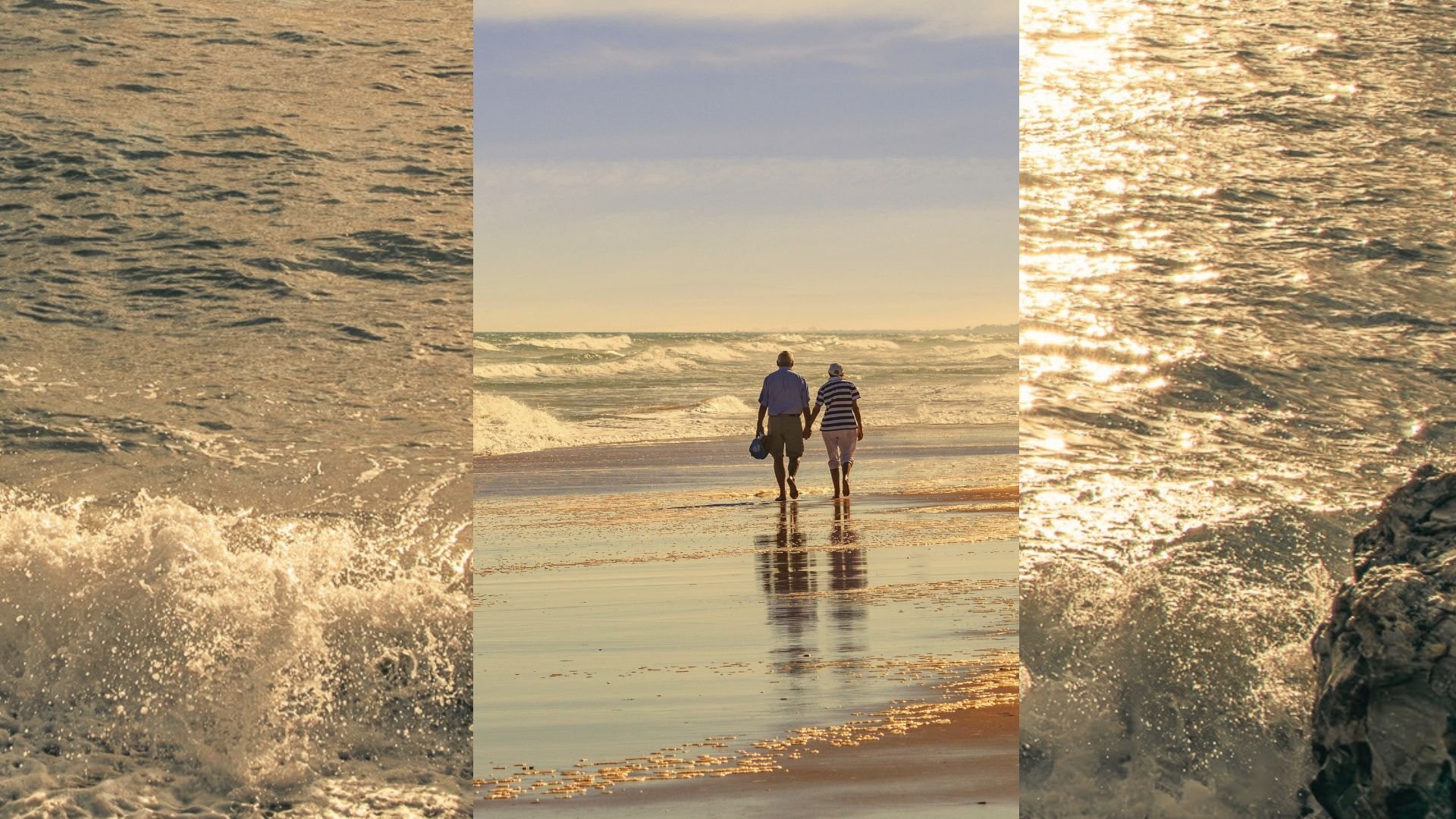
For a Greek, the sea is the lifeblood of the nation—a fundamental pillar of identity, survival, and culture
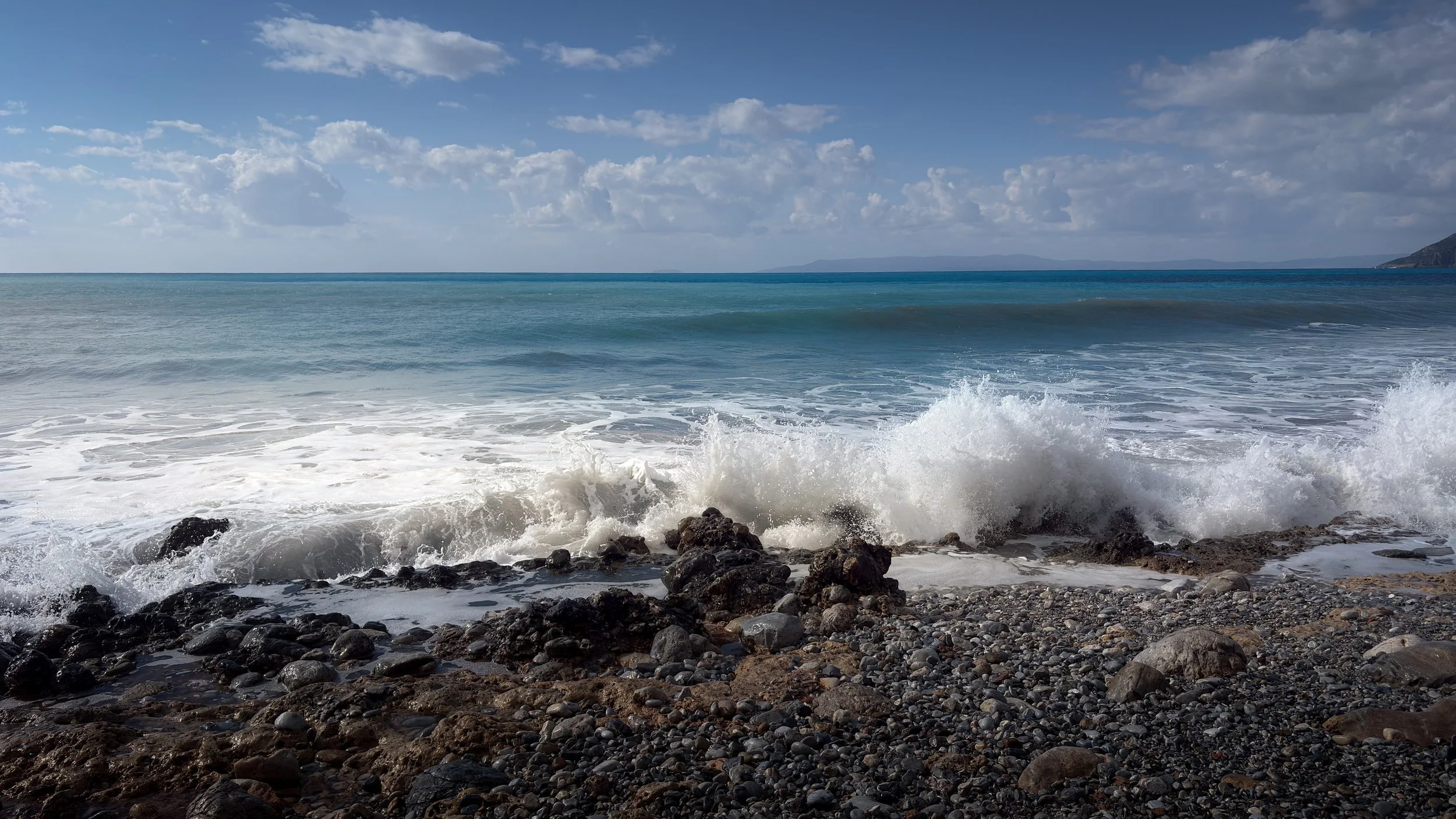
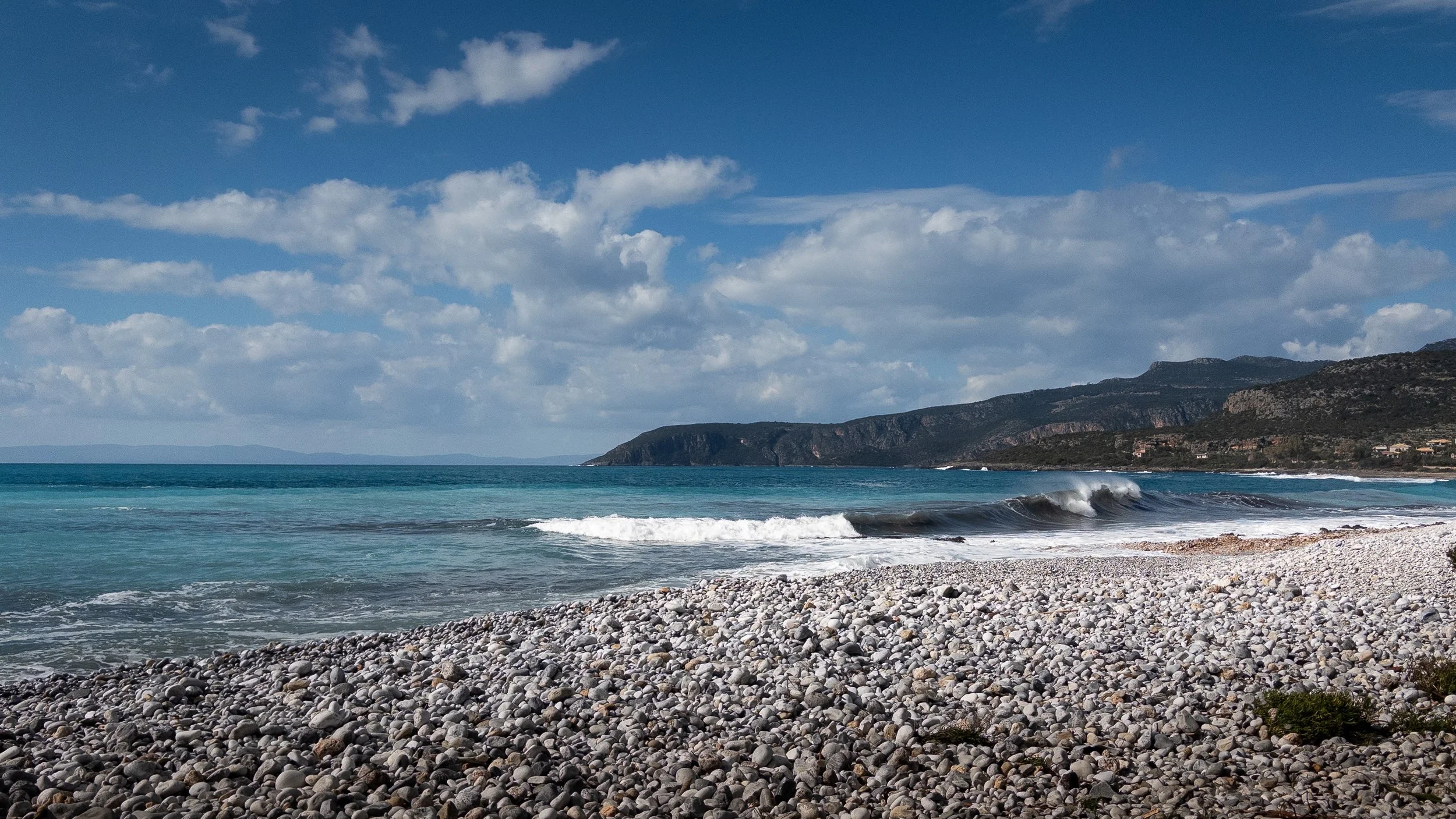
Can life by the sea make you a happier person? There are several studies that show that the scent, color and sound of the sea make our thoughts more free and open to the bright glimmers of life. Beach, turquoise water, beautiful sunsets and sounds of sea waves. Your senses are sharpened and problems seem to be moved further away. The sea makes us feel better, more harmonious, happier and gives us a sense of freedom, space and continuity.
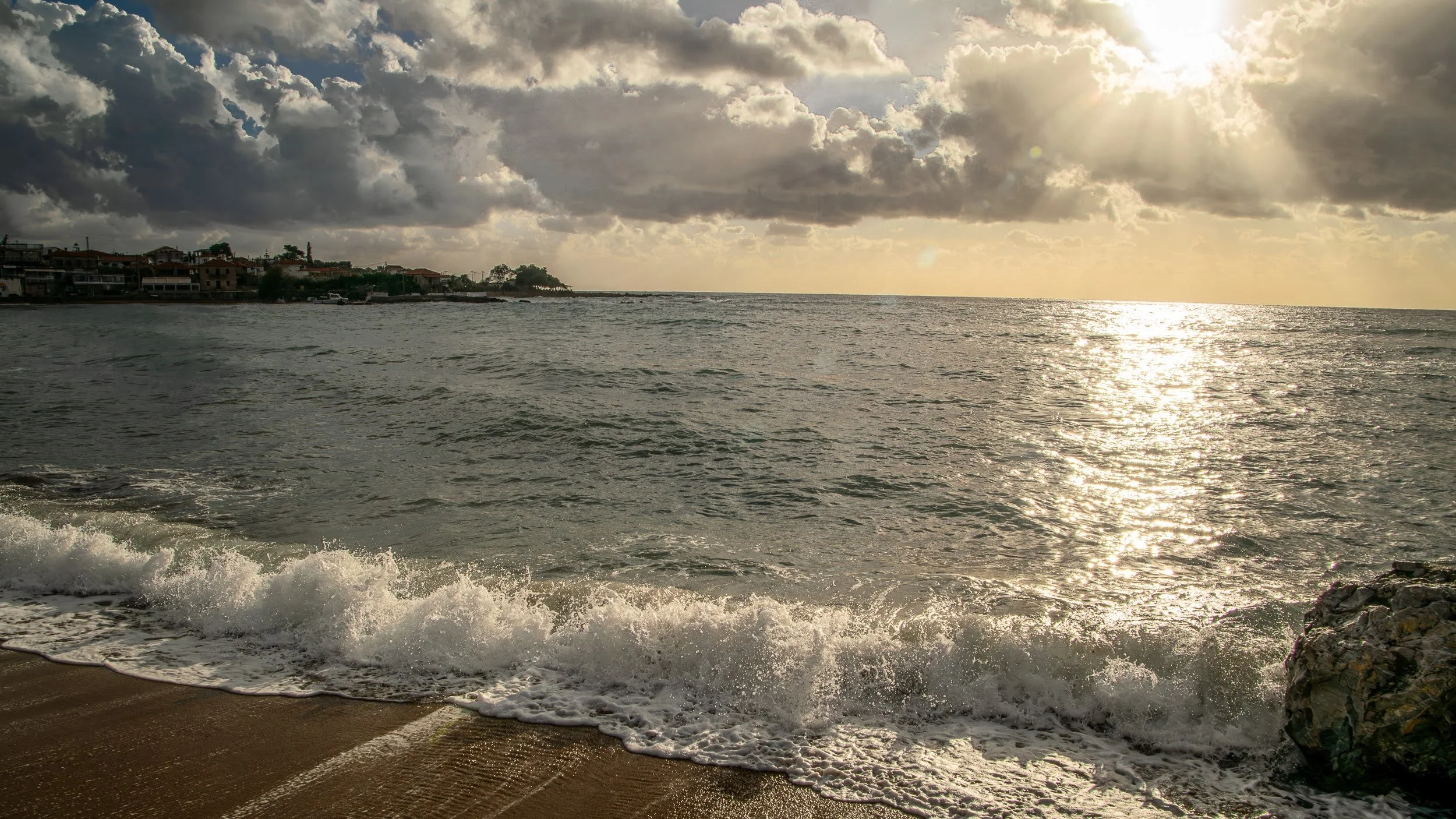
Going to the beach (paralía) and spending time in or by the water is an essential social ritual in Greece and I really like this thinking. For a Greek, the sea is the lifeblood of the nation—a fundamental pillar of identity, survival, and culture.
People who love the beach
Having a holiday, or even better, living by the sea, helps us to live happier and calmer lives. It is therefore not surprising that several different types of treatments, such as psychological treatments, use the beach and the sea to make patients feel better. I'm sure you've heard or are familiar with the term "thalassotherapy." The word comes from the Greek "thalassa," meaning "sea," and refers to the use of seawater as a form of therapy. In Greek mythology, Thalassa is the primordial, divine female personification of the sea.
“Studies have shown that natural environments such as beaches and parks have more benefits for humans than gyms, entertainment venues and the urban environment,” says environmental and health expert Aaron Hipp, according to Medical Daily. Studies also show that the mixture of sea air and the sound of waves has a relaxing effect on many people and we become more creative and sleep better.
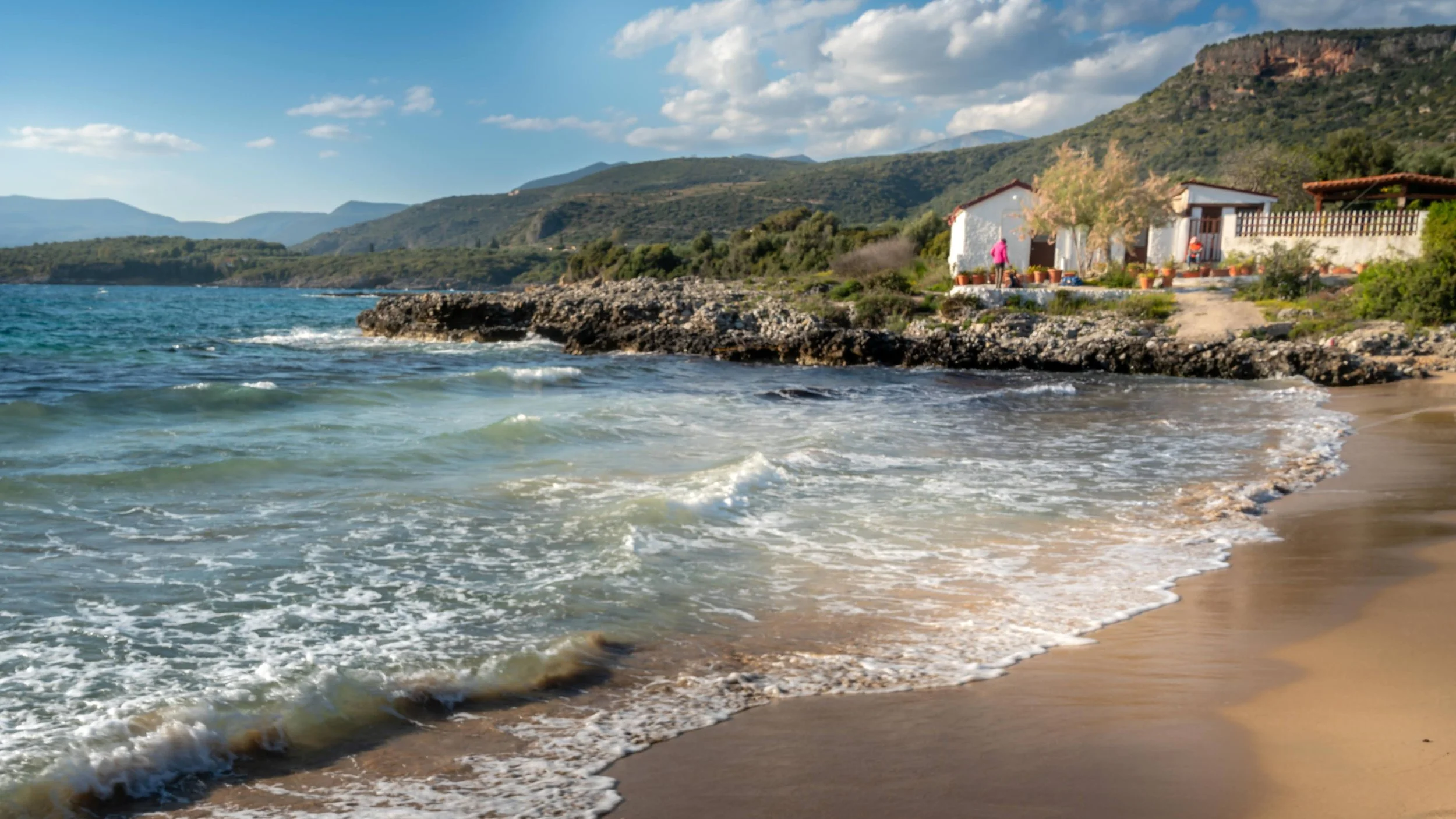
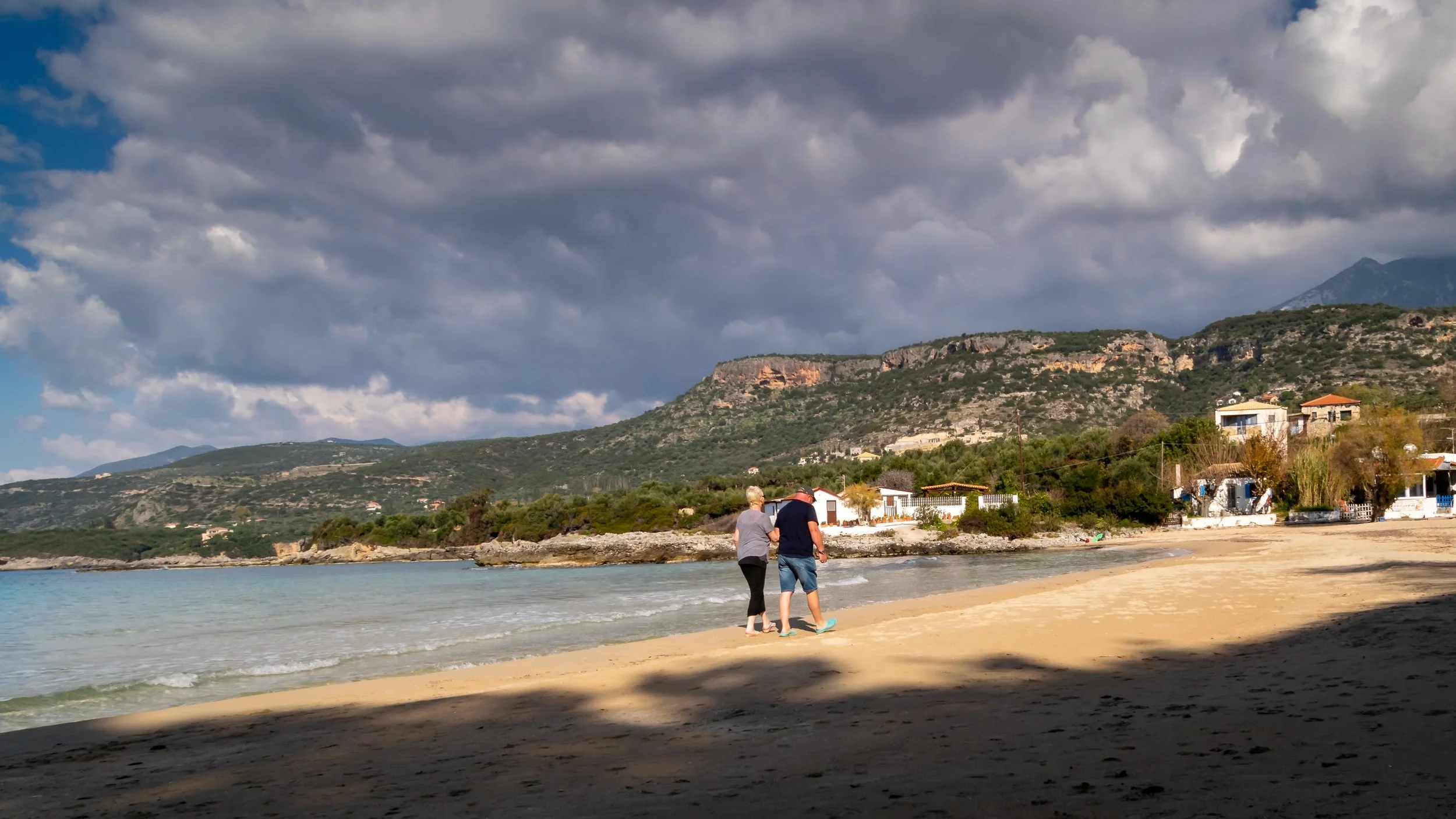
Another study shows similar results. Walking on the beach can be the best therapy we can get. Being surrounded by calm colors and the glorious sand against our feet gives us a feeling that we are connected to the earth and it makes us feel like better people. ( source)
James Joyce was he on the track?
Personally, I experience that when I look at the horizon, I can remember several years back. Calmness fills me and I think Sir James Joyce was on track here: “My God, he said softly. Is not the sea exactly what Algemon calls it, a great tender mother?”. It is difficult to be unhappy when I know that there’s another day coming, right? And another spectacle in the sky which is called “sunset” by the mortals. If I have a “down” day, I just go to the beach and listen to how the tender mother sings for me, how I feel just only “now” is important and I wakes up happier tomorrow.
“Μου λες δεν υπάρχει ούτε αύριο ούτε χθες, μόνο τώρα είναι όλα και στιγμές” - “You tell me there’s neither a tomorrow nor a yesterday, only now is all that exists”. Listen to the wonderful poem and song here: "Notis Sfakianakis - Εσύ, η θάλασσα".

Are you a "thalassophile"?
Thalassophile meaning: anyone who loves the sea and the ocean. The word derives from the Greek word thálassa which means “sea” and the suffix phile which comes from Latin (phila) and Greek (phílos) meaning lover. So a thalassophile is someone that is completely drawn to the sea in all its forms. As you can see, I continue to learn Greek and find great joy in finding traces of Greek words in other languages that I use daily. And if you also like sunset by the sea, check my photos here.